
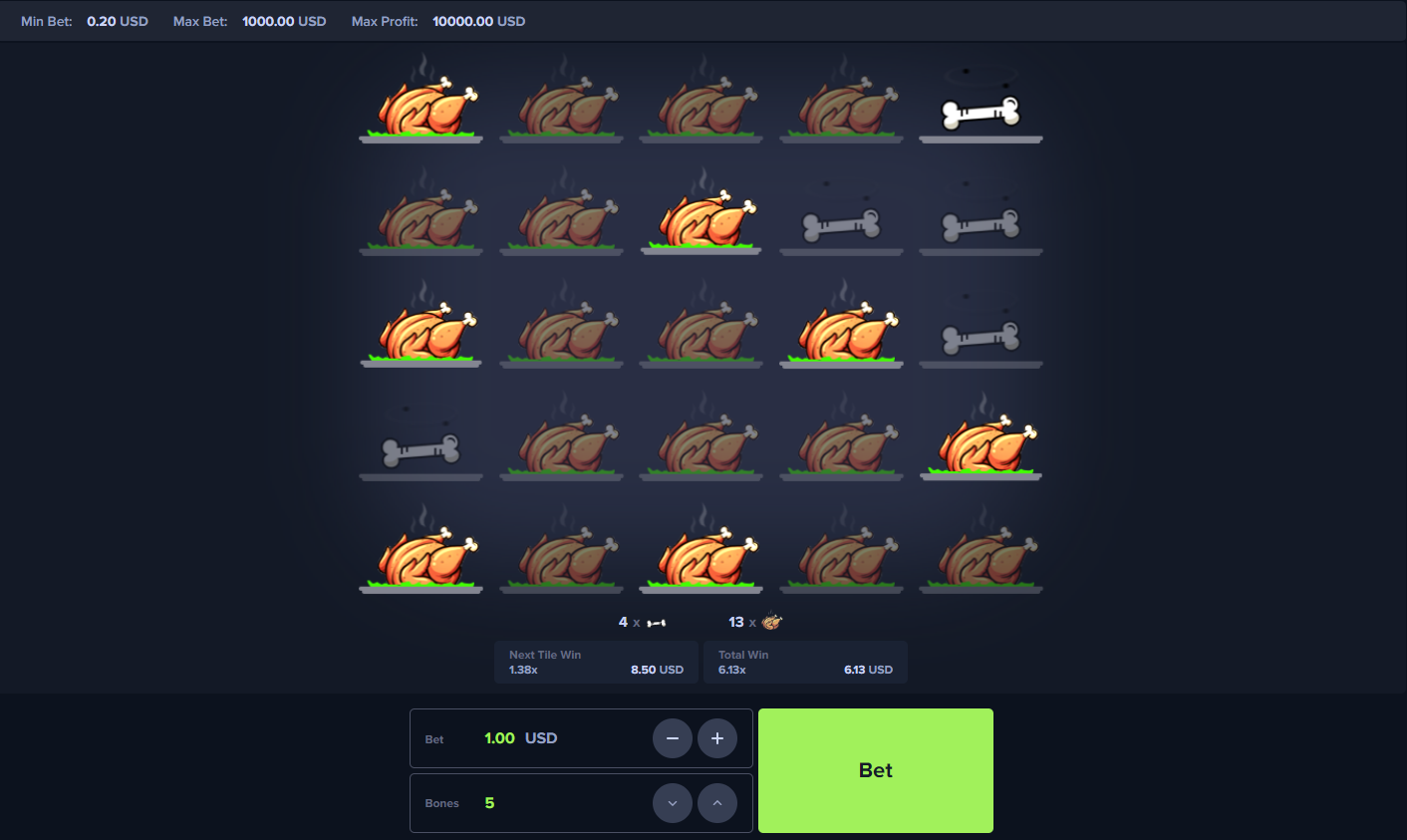
We’ve looked at a lot of player data, but one UK player’s recent session on chickenshootgame is something else. It wasn’t just a rough patch. It was a relentless, almost comical run of bad luck that makes you question the universe. We investigated the gameplay, the random number mechanics, and the player’s own choices to see how a streak this extreme even happens. This record is a perfect, if brutal, example of how wild game variance can be, even in a straightforward, cheerful game about shooting targets in a barnyard.
The way Chicken Shoot Game’s Mechanics Intensify Streaks
Chicken Shoot looks simple, but its design can make winning and losing streaks seem more intense. To trigger the bonus, you must get three specific scatter symbols. The game’s reels are weighted, a common technique, making those symbols less likely to land on certain reels. During a normal session, you might not notice. During a bad run, it appears intentional. More importantly, the base game pays small wins. The bonus round is the point you earn big. So when the bonus vanishes for hundreds of spins, your bankroll possesses no way to recover quickly. The grind feels endless.
Handling Bankroll Amid Extreme Variance
This record streak is the best possible advertisement for strict bankroll control. The look at the numbers reveals the player’s starting deposit was sufficient for a typical bad run, but not for a once-in-a-lifetime event like this. You must play as if the worst could happen. Set a firm loss limit for your session and stick to it. Do not raise your bets to win back what you’ve lost. Keep in mind that a bonus is never “due.” Every spin is its own event, completely separate from the last one. Having that idea stuck in your head is the only way to survive a cold streak.
- Set Session Loss Limits:
- Lock Your Bet Size:
- Employ Time-Out Features:
- Separate Entertainment from Investment:
Structure of a Historic Losing Streak
This notable streak lasted for 247 spins in a row without starting the main bonus game. The odds of that are astronomically low. This wasn’t about forfeiting small amounts. Every spin was a temptation. The player saw two bonus symbols show over and over again, lining up just right to suggest the third was coming. For 247 spins, that third symbol never materialized. What starts as exciting anticipation slowly curdles into pure bewilderment.
Comparative Analysis: Unlucky Streaks in Other UK Games
How severe is 247 spins? Longer droughts happen in high-variance slots where bonuses are scarce by design. What renders this Chicken Shoot story unique is the game’s moderate volatility. Bonuses are supposed to hit more often. It is akin to flipping a coin called “bonus” and “no bonus” and obtaining “no bonus” two hundred and forty-seven times. It is feasible, but it appears incorrect. In games with enormous progressive jackpots, you expect a long wait. In Chicken Shoot, the wait is meant to be shorter. That is why a 247-spin blank is so uniquely punishing for this type of game.
Probabilistic Improbability and RNG Verification
We confirmed, and the game’s Random Number Generator (RNG) was operating exactly as it should. That’s what turns the streak so intriguing. It proves a basic rule of chance: real randomness includes weird groupings and dry spells. The math behind the exact odds relies on the game’s volatility, but this 247-spin drought is way out on the far edge of the probability curve. Failing to hit the bonus 50 times in a row is rare enough. 247 times is a new kind of benchmark, a stark example in the gap between what should happen on paper and what one person actually undergoes.
Key Metrics of the Streak
The numbers reveal a clear story. During this nightmare run, the player got back only about 67% of the money they staked. That’s miles below the game’s advertised long-term average. The real kicker was the “near-miss.” On average, every 8 spins presented two of the three needed bonus symbols. This constant, close-but-no-cigar reaction made the whole experience more psychologically grueling than the financial loss alone. It was a perfect demonstration in aggravation.
- Total Consecutive Non-Bonus Spins:
- Average Return to Player (RTP) During Streak:
- Frequency of “Near-Miss” Two-Symbol Spins:
- Highest Win During Streak:
Player Psychology and Reaction Analysis
We monitored how the tracxn.com player reacted. Their wager amounts and playing duration followed a typical pattern of “chasing” losses. For the initial 100 spins, bets stayed steady. Then, minor increases occurred. The player plainly thought the bonus had to be coming soon. By spin 180, their bet size had doubled. They were psychologically hooked. The player later mentioned they experienced a stubborn need to see it through, fueled by a peculiar curiosity about precisely how long the game could withhold them. This streak didn’t just empty a wallet; it overruled common sense.
FAQ
What is the most severe losing streak ever documented in Chicken Shoot Game?
The worst one we’ve confirmed was from a UK player who went 247 spins without hitting the main bonus round. It’s a enormous statistical fluke, based on how the game is designed to work. It illustrates just how far negative variance can go, even in a correctly certified random system.
Could the game have been defective during this unlucky streak?
No. Independent testers like eCOGRA verify the game’s RNG regularly. The streak, while ridiculously rare, is still within the realm of mathematical possibility for a random system. Losses at times come in bunches, even when it appears like the machine is broken.
What should I do if I experience a very long losing streak?
Walk away. Adhere to the loss limit you established for yourself. Convince yourself that each spin is a fresh start; the game does not guarantee you a bonus. Examine your bankroll strategy. Increasing your bets to chase losses is the fastest way to make a bad situation much, much worse.
Is there a strategy to avoid bonus droughts in Chicken Shoot Game?
No. You cannot trick or force the random number generator. The only logical strategy is about money: bet small enough that your bankroll can endure a long, bonus-free session. The game operates on pure luck.
How does the RTP work during a bad streak like this?

RTP is a long-term average over millions of spins. In any short session, your actual return can be highly variable. For this player’s 247 spins, their personal RTP was about 67%. That’s well under the game’s published average, and a perfect example of variance in real life.

Has recovered their losses?
We do not monitor individual players’ finances. That’s not our concern. Each session exists on its own. The point of this case study isn’t about recovery, but about the risk of assuming you can recover. The smart move is to stick to your budget, always.
